
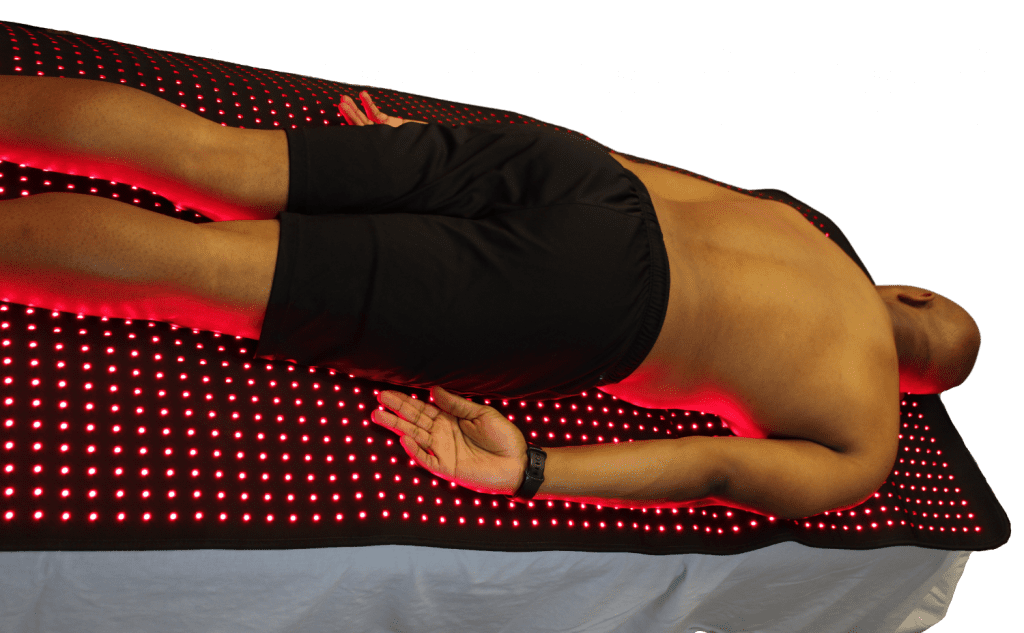
Cryotherapy, the practice of using extremely cold temperatures for therapeutic purposes, has gained significant attention in recent years as a recovery method for athletes and individuals seeking enhanced wellness. This technique involves exposing the body to temperatures as low as -200?F for a few minutes, which might sound intimidating but holds profound benefits. The science behind cryotherapy recovery techniques is rooted in the body’s natural response to cold exposure, and understanding these mechanisms can help individuals make informed decisions about incorporating cryotherapy into their recovery routines.
The Physiological Impact of Cryotherapy
When the body is exposed to extreme cold during cryotherapy, several physiological responses occur:
- Vasoconstriction: Blood vessels constrict to conserve heat, reducing inflammation and swelling in affected areas.
- Endorphin Release: The cold exposure triggers the release of endorphins, which can enhance mood and reduce pain perception.
- Metabolic Boost: The body ramps up its metabolic rate to maintain core temperature, potentially aiding in weight management.
- Immune System Activation: Cryotherapy can stimulate the production of anti-inflammatory proteins, supporting the immune system.
These physiological changes can enhance recovery by reducing muscle soreness and accelerating the healing process. For a deeper understanding of these effects, discover expert strategies here.
Scientific Studies Supporting Cryotherapy
Numerous studies have investigated the efficacy of cryotherapy in promoting recovery and performance enhancement. Key findings include:
- Reduced Muscle Damage: Research indicates that cryotherapy can decrease biochemical markers of muscle damage following intense exercise.
- Enhanced Recovery Time: Athletes using cryotherapy report quicker recovery times, allowing for more frequent and intense training sessions.
- Improved Joint Function: Cold exposure can lead to better joint mobility, making it beneficial for individuals with arthritis.
These findings underscore the potential benefits of incorporating cryotherapy into recovery routines. Learn about our tailored solutions to explore how cryotherapy might be integrated into personal wellness strategies.
Applications of Cryotherapy in Sports and Wellness
Sports Performance and Recovery
Cryotherapy has become a staple in the routines of many professional athletes and teams. It is used to:
- Accelerate recovery post-competition or training.
- Manage pain and inflammation resulting from injuries.
- Enhance mental clarity and focus due to increased endorphin levels.
For more insights into how athletes use cryotherapy to their advantage, explore advanced guides and tips.
General Wellness and Anti-Aging
Beyond sports, cryotherapy offers benefits for general health and anti-aging:
- Promotes collagen production, aiding skin health.
- Boosts energy levels and mood through endorphin release.
- Improves sleep patterns by regulating hormonal balance.
Individuals interested in leveraging cryotherapy for wellness can find out more about this approach and its various applications.
Conclusion
The science behind cryotherapy recovery techniques reveals a compelling case for its inclusion in both athletic and general wellness regimens. With documented benefits ranging from reduced inflammation to enhanced recovery times, cryotherapy presents a scientifically-backed method for improving overall health and performance. As with any wellness practice, individuals should consult with healthcare professionals to tailor cryotherapy approaches to their specific needs.
