
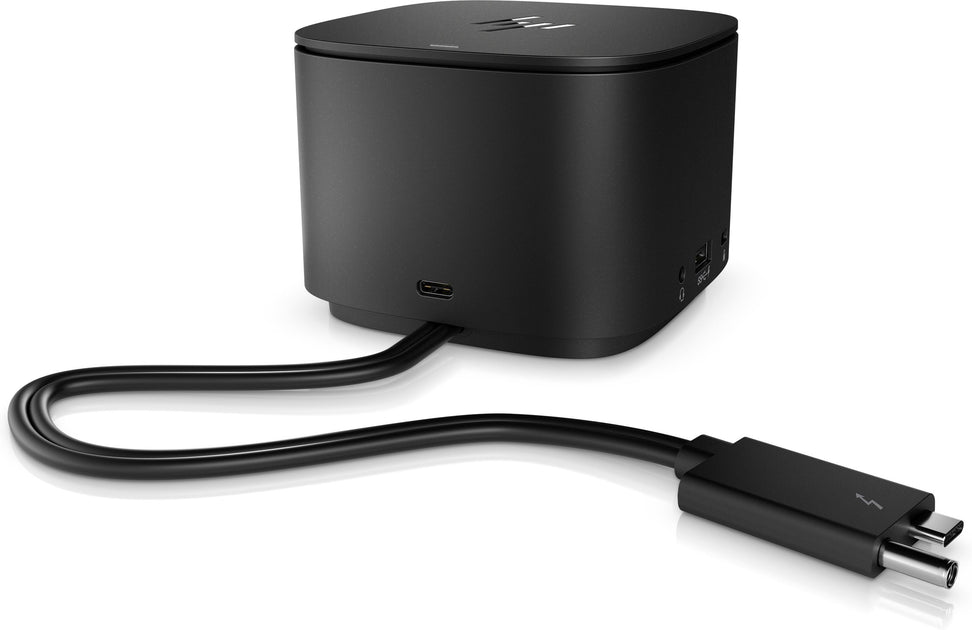
In today’s fast-paced and increasingly digital work environment, efficiency and productivity are paramount. A well-organized workspace can significantly impact workflow, and one of the most effective ways to achieve this is through the use of docking stations. These versatile devices allow professionals to easily transition between desk setups, minimizing clutter and maximizing functionality. By integrating peripherals and streamlining connections, docking stations are essential for anyone looking to enhance their workspace efficiency.
The Importance of Docking Stations
Docking stations serve as a central hub for connecting multiple devices, transforming a laptop into a fully functional desktop environment. This setup is particularly beneficial for remote workers, digital nomads, and anyone who frequently transitions between home and office environments.
Benefits of Using a Docking Station
- Increased Connectivity: Docking stations provide additional ports for connecting external monitors, keyboards, mice, and other peripherals, allowing for a more expansive and functional workspace.
- Enhanced Productivity: With the ability to connect multiple screens and devices, users can multitask more effectively, leading to improved productivity and efficiency.
- Reduced Desk Clutter: By consolidating cables and devices into a single hub, docking stations help maintain a clean and organized workspace.
- Improved Ergonomics: With the flexibility to position monitors and peripherals at optimal angles, users can create a more comfortable and ergonomic workstation.
Choosing the Right Docking Station
Selecting the right docking station is crucial to optimizing your setup. Consider the following factors to ensure compatibility and functionality:
- Compatibility: Ensure the docking station is compatible with your laptop’s make and model. Consult the manufacturer’s specifications or explore options online, such as docking stations for laptops that cater to various brands and models.
- Port Availability: Assess the types and number of ports required to accommodate your peripherals and external devices. Common ports include USB, HDMI, DisplayPort, and Ethernet.
- Power Delivery: Some docking stations offer power delivery capabilities, allowing them to charge your laptop while connected. This feature is particularly useful for maintaining battery life and reducing the need for additional chargers.
- Form Factor: Consider the size and design of the docking station to ensure it fits within your workspace without obstructing other equipment.
Setting Up Your Docking Station
Once you have selected the appropriate docking station, setting it up is straightforward. Follow these steps to ensure a seamless transition to your new workspace configuration:
- Place the docking station in a convenient location where it can easily connect to your laptop and peripherals.
- Connect all required peripherals such as monitors, keyboards, and mice to the docking station.
- Connect the docking station to your laptop using the appropriate cable or connector.
- Power on your laptop and check that all devices are recognized and functioning correctly.
Conclusion
Streamlining your work setup with a docking station can transform your productivity and efficiency. By providing increased connectivity, reducing clutter, and offering ergonomic benefits, docking stations are a valuable tool for modern professionals. Explore the range of docking stations for laptops available to find the perfect solution for your workspace needs. Whether working from home or in an office, the right docking station can make all the difference in achieving a seamless and effective work environment.
