
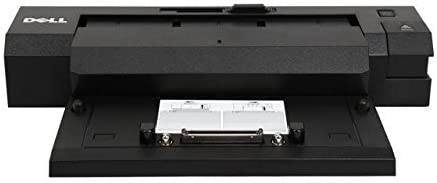
In today’s fast-paced digital landscape, the demand for efficient multitasking and seamless connectivity has never been greater. With the growing trend of remote work and the need for flexible workspaces, laptop users are seeking solutions to enhance their productivity. Enter the realm of docking stations, a pivotal accessory that transforms any laptop into a powerful workstation. Among the myriad options available, Dell docking stations for laptops have emerged as a preferred choice for professionals across various industries. These devices offer a multitude of benefits, ensuring that users can connect, collaborate, and compute with ease.
Understanding the Role of Dell Docking Stations
Docking stations serve as a bridge between laptops and the myriad of peripherals that professionals use daily. By connecting a laptop to a docking station, users can effortlessly integrate additional displays, keyboards, mice, and other devices, transforming their laptops into comprehensive workstations.
Key Features and Benefits
- Enhanced Connectivity: Dell docking stations are equipped with multiple ports, including USB, HDMI, and Ethernet, allowing users to connect a variety of devices seamlessly.
- Improved Productivity: By supporting multiple monitors, these docking stations enable users to extend their display, facilitating multitasking and enhancing efficiency.
- Convenience and Flexibility: With a single connection, users can quickly dock and undock their laptops, making it easier to transition between workspaces.
- Compatibility: Dell docking stations are designed to be compatible with a wide range of laptops, ensuring that users can find a solution that fits their specific needs.
Choosing the Right Docking Station
When selecting a docking station, it is crucial to consider specific requirements and compatibility issues. Dell offers a variety of models tailored to different user needs, from basic connectivity to advanced multi-display capabilities. Here are some factors to consider:
Port Requirements
- Assess the number and type of devices that will be connected to the docking station.
- Ensure that the docking station has the necessary ports, such as USB-C, HDMI, or DisplayPort, to accommodate these devices.
Power Delivery
- Consider whether the docking station provides sufficient power delivery to charge the laptop while in use.
- Look for models that offer higher wattage for more power-hungry laptops.
Display Support
- Determine the number of external monitors that need to be connected and ensure the docking station supports the required resolutions and refresh rates.
For those seeking an extensive selection of options, explore the various Dell docking stations for laptops to find the perfect match for their setup.
Maximizing the Use of a Docking Station
Once the ideal docking station is selected, optimizing its use is essential to reap the full benefits. Here are some tips to ensure a seamless experience:
- Regular Updates: Keep the docking station’s firmware updated to ensure compatibility with new devices and operating systems.
- Proper Setup: Arrange cables neatly and label them to facilitate easy connections and disconnections.
- Optimal Placement: Position the docking station in an accessible location to make docking and undocking convenient.
Conclusion
Incorporating a docking station into a laptop setup can significantly enhance productivity and connectivity, transforming the way professionals work. Dell docking stations, with their robust features and versatility, stand out as a reliable choice for users seeking to elevate their computing experience. By carefully considering individual needs and selecting the appropriate model, users can unlock the full potential of their laptops, ensuring they remain efficient and connected in any workspace.
